Colorectal Cancer: Causes, Symptoms, and Prevention
Colorectal cancer, which includes both colon cancer and rectal cancer, is one of the most common cancers worldwide. It begins in the colon (large intestine) or the rectum, usually as small, benign growths called polyps. Over time, some of these polyps can turn cancerous if not detected and removed early. With rising rates globally, understanding the causes, early signs, and preventive measures of colorectal cancer is crucial for reducing its impact.
How Colorectal Cancer Develops
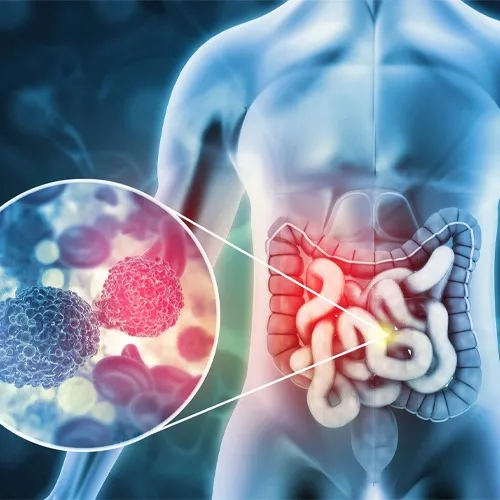
The colon and rectum are part of the digestive system, responsible for processing food, absorbing nutrients, and eliminating waste. Colorectal cancer typically starts when healthy cells in the lining of the colon or rectum undergo DNA mutations. These mutations cause uncontrolled cell growth, forming a tumor.
Most cases develop from adenomatous polyps, which are non-cancerous at first. However, certain genetic and environmental factors can speed up their progression into malignant tumors. Regular screening is vital because removing these polyps early can prevent cancer from forming.
Causes and Risk Factors
While there is no single cause, several factors can increase the likelihood of developing colorectal cancer:
1. Age
Colorectal cancer risk rises sharply after age 50, although younger adults are increasingly being diagnosed.
2. Family History and Genetics
A family history of colorectal cancer or inherited syndromes like Lynch syndrome and Familial Adenomatous Polyposis (FAP) significantly raises risk.
3. Diet
Diets high in red meat, processed meats, fried foods, and low in fiber are linked to higher risk. A lack of fruits, vegetables, and whole grains contributes to unhealthy gut function.
4. Sedentary Lifestyle
Physical inactivity slows digestion, increases obesity risk, and can promote harmful changes in the colon lining.
5. Obesity
Being overweight is associated with increased inflammation and hormone changes that may promote tumor growth.
6. Smoking and Alcohol
Long-term smoking and excessive alcohol intake are known cancer risk factors, including for colorectal cancer.
7. Medical Conditions
People with inflammatory bowel diseases (Crohn’s disease, ulcerative colitis) face a higher chance of developing colorectal cancer due to chronic inflammation.
Signs and Symptoms
Early colorectal cancer often has no symptoms, which is why regular screening is so important. As it progresses, symptoms may include:
- Persistent changes in bowel habits (diarrhea, constipation, or narrowing of stool)
- Blood in stool (bright red or dark)
- Abdominal cramps or discomfort
- Unexplained weight loss
- Weakness or fatigue
- Feeling that the bowel does not empty completely
These symptoms can also occur in other digestive disorders, but persistent issues should be evaluated by a doctor.
Stages of Colorectal Cancer
Colorectal cancer is staged from 0 to IV:
- Stage 0: Cancer is confined to the innermost lining.
- Stage I: Cancer has spread into the muscle layer of the colon or rectum.
- Stage II: Cancer has penetrated the outer layers but not reached lymph nodes.
- Stage III: Cancer has spread to nearby lymph nodes but not distant organs.
- Stage IV: Cancer has spread to distant organs, such as the liver or lungs.
Screening and Diagnosis
Regular screening is the most effective way to detect colorectal cancer early or prevent it altogether. Common screening methods include:
- Colonoscopy: Gold standard; allows visual inspection and removal of polyps during the procedure.
- Flexible Sigmoidoscopy: Examines only the rectum and lower colon.
- Fecal Occult Blood Test (FOBT): Detects hidden blood in stool.
- Fecal Immunochemical Test (FIT): More specific blood detection in stool.
- CT Colonography (Virtual Colonoscopy): Uses imaging to view the colon.
Doctors may recommend earlier and more frequent screening for people with higher risk factors.
Treatment Options
Treatment depends on the stage and location of the cancer, as well as the patient’s overall health.
1. Surgery
- Polypectomy: Removal of polyps during colonoscopy (for early cases).
- Colectomy: Removal of part or all of the colon.
- Rectal Surgery: For tumors in the rectum.
2. Chemotherapy
Uses drugs to destroy cancer cells. Often used after surgery to kill any remaining cancer cells.
3. Radiation Therapy
High-energy beams target cancer cells, more often used for rectal cancer than colon cancer.
4. Targeted Therapy
Drugs that specifically attack cancer cell proteins and genes (e.g., monoclonal antibodies).
5. Immunotherapy
Boosts the immune system’s ability to detect and destroy cancer cells.
Prevention Strategies
You can significantly reduce your risk by making lifestyle changes and following recommended screenings.
1. Eat a Healthy Diet
- Increase fiber intake through fruits, vegetables, legumes, and whole grains.
- Reduce red meat and processed meat consumption.
- Limit fried and highly processed foods.
2. Exercise Regularly
Aim for at least 150 minutes of moderate physical activity weekly.
3. Maintain a Healthy Weight
Avoid excess body fat to reduce cancer-promoting inflammation.
4. Avoid Smoking and Limit Alcohol
Quitting smoking and reducing alcohol intake can lower multiple cancer risks.
5. Get Regular Screenings
Begin screenings at age 45 (or earlier if at high risk). Follow your doctor’s recommended schedule.
The Rising Concern in Younger Adults
In recent years, there’s been an alarming increase in colorectal cancer among people under 50. Possible reasons include:
- Poor diet quality
- Sedentary lifestyles
- Obesity
- Changes in gut microbiome due to processed foods and antibiotics
- Increased inflammation in the body
Experts recommend that younger adults take symptoms seriously and not dismiss rectal bleeding or changes in bowel habits.
When to See a Doctor Immediately
Seek medical attention if you experience:
- Blood in your stool
- Significant unexplained weight loss
- Persistent abdominal pain
- Changes in bowel habits lasting more than a few weeks
Early detection dramatically improves survival rates.
Living with Colorectal Cancer
A diagnosis can be life-changing, but many people survive and thrive after treatment. Support groups, counseling, and healthy lifestyle changes can help improve quality of life and emotional well-being. Following treatment, patients need regular follow-ups to detect recurrences early.
Conclusion
Colorectal cancer is preventable in many cases and highly treatable when detected early. By understanding the risk factors, recognizing early symptoms, and committing to regular screenings, you can greatly reduce your chances of developing this disease. Small lifestyle adjustments such as eating more fiber, staying active, avoiding tobacco, and moderating alcohol can have a big impact. Remember, your digestive health is deeply connected to your overall well-being, so proactive steps today can protect your future. For expert consultation, screening advice, and advanced treatment, Dr. Kannan Maharajan, experienced Radiation Oncologist in Coimbatore, provides comprehensive care with a focus on prevention, early detection, and patient-centered therapy.