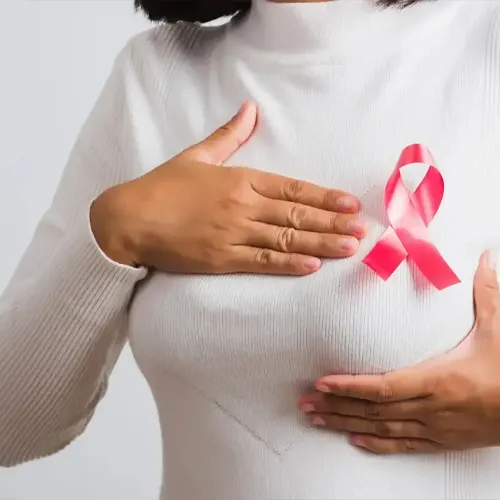
Why Is Breast Cancer Increasing? Understanding the Rising Trend and Its Causes
Breast cancer is currently the most common cancer among women worldwide and its incidence has been rising steadily over the past few decades. What was once considered rare is now a concern for women across all age groups, even affecting those in their 30s and 40s. In India and many developing nations, the trend is particularly alarming, with breast cancer becoming the leading cause of cancer-related deaths among women.
But why is breast cancer becoming so common today?
This blog dives deep into the factors driving the increase, the lifestyle and environmental triggers, and what you can do to minimize your risk.
Breast Cancer at a Glance: Alarming Statistics
- Globally: According to the World Health Organization (WHO), over 2.3 million women were diagnosed with breast cancer in 2020.
- India: Breast cancer accounts for more than 27% of all cancers among Indian women.
- Age Group Shift: Cases are rising not just in older women but increasingly in younger women (ages 30-45), a shift that wasn’t common 30 years ago.
Top Reasons for the Rise in Breast Cancer
1. Late Marriages and Fewer Children
- Traditionally, early childbirth and breastfeeding were protective factors against breast cancer.
- Today, due to careers, education, or social trends, many women marry later and have fewer children or none at all.
- Less exposure to hormonal changes during pregnancy and lactation increases risk.
2. Delayed or No Breastfeeding
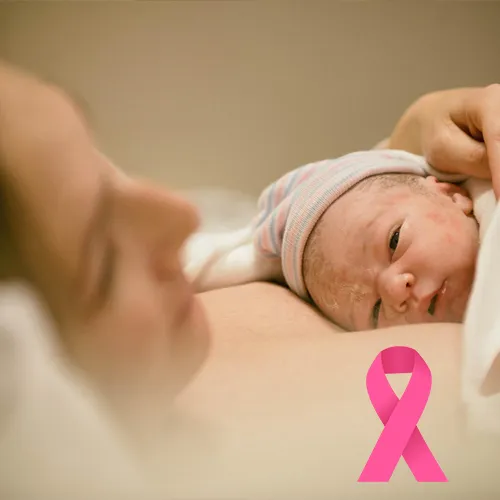
- Breastfeeding helps regulate estrogen levels and flush out toxins from breast tissues.
- Women who do not breastfeed or breastfeed for a short duration may miss this natural protection.
3. Sedentary Lifestyle and Lack of Exercise
- Physical inactivity contributes to obesity, insulin resistance, and hormonal imbalance all of which increase breast cancer risk.
- With the rise of desk jobs, screen time, and lack of exercise, the modern lifestyle is a major factor.
4. Unhealthy Diet
- Diets high in processed foods, red meat, sugar, and saturated fats can increase inflammation and hormonal disturbances.
- Low intake of fruits, vegetables, fiber, and antioxidants reduces the body’s natural defenses.
5. Obesity and Weight Gain
- Fat tissue increases estrogen production, especially after menopause.
- Overweight or obese women have a significantly higher risk of breast cancer.
6. Hormonal Imbalances and HRT
- Use of hormonal replacement therapy (HRT) for menopause symptoms or birth control pills over long periods can increase estrogen exposure.
- Unchecked hormonal disturbances due to PCOS, thyroid issues, or stress may also play a role.
7. Increased Alcohol Consumption
- Alcohol increases levels of estrogen and other hormones associated with hormone-receptor-positive breast cancer.
- Even moderate drinking can increase risk over time.
8. Environmental Toxins and Endocrine Disruptors
- Daily exposure to chemicals in plastics (BPA), cosmetics, pesticides, and packaged foods may interfere with hormone regulation.
- These endocrine disruptors can mimic estrogen in the body and promote abnormal cell growth in breast tissues.
9. Radiation Exposure
- Cumulative exposure to diagnostic radiation (like repeated CT scans or chest X-rays), especially during youth, can raise the risk.
- While medical radiation is controlled, awareness and caution are important.
10. Genetic and Family History
- Around 5–10% of breast cancers are hereditary, caused by mutations in BRCA1 or BRCA2 genes.
- While genetics can't be changed, awareness and preventive screening can reduce impact.
Urban vs. Rural Divide
Breast cancer is significantly more common in urban populations, where women are more likely to:
- Delay childbirth
- Follow westernized diets
- Have more sedentary lifestyles
- Be exposed to air pollution and environmental toxins
Awareness and screening are also more accessible in urban areas, which may lead to higher reported cases.
Is Early Detection Getting Better?
Yes some of the rise in breast cancer diagnoses is due to improved awareness and screening:
- Mammograms, ultrasound scans, and self-examinations help detect cancer earlier.
- More people are getting diagnosed at Stage I or II than ever before allowing for timely treatment and improved outcomes.
However, in many regions, lack of awareness still leads to late-stage diagnosis, reducing survival chances.
What You Can Do: Reduce Risk and Be Aware
1. Get Screened Regularly
- Start annual breast exams after age 30
- Mammograms are recommended every 1–2 years after age 40 (or earlier if family history exists)
2. Maintain a Healthy Weight
- Aim for a BMI below 25
- Reduce sugar, processed foods, and unhealthy fats
3. Exercise Regularly
- At least 30 minutes of moderate activity (walking, cycling, yoga) 5 days a week
4. Eat an Anti-Cancer Diet
- Focus on vegetables, fruits, whole grains, nuts, and seeds
- Add turmeric, garlic, and green tea, which have anti-cancer properties
5. Limit Alcohol and Avoid Smoking
6. Breastfeed if Possible
- Breastfeeding for even 6 months offers noticeable protective benefits
7. Avoid Hormonal Self-Medication
- Take HRT or birth control pills only under medical supervision
8. Check Your Family History
- If you have close relatives with breast or ovarian cancer, talk to your doctor about genetic testing
Final Thoughts
Breast cancer is increasing but knowledge is power.
While some risk factors are beyond our control, many are preventable through lifestyle choices, early detection, and proactive health measures. Understanding your risk, recognizing symptoms early, and staying informed can make all the difference.
If you or someone you know needs expert guidance, consult a qualified specialist like Dr. Kannan Maharajan, a leading Radiation Oncologist known for patient-centered, evidence-based care for breast cancer and other cancers.