Prostate Cancer: Causes, Symptoms, Diagnosis, and Treatment
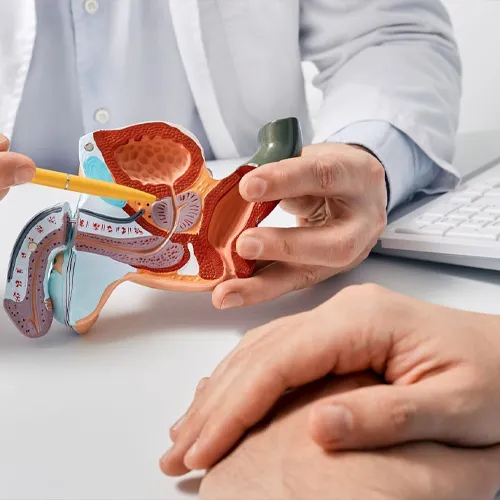
Prostate cancer is one of the most common cancers affecting men, especially those over the age of 50. It develops in the prostate gland, a small walnut-shaped gland located below the bladder and in front of the rectum, responsible for producing seminal fluid that nourishes and transports sperm.
While some prostate cancers grow slowly and remain confined to the gland, others can be aggressive and spread quickly. Early detection often leads to better treatment outcomes, but understanding risk factors, symptoms, and options is crucial for prevention and management.
Causes and Risk Factors
The exact cause of prostate cancer is still unknown, but research suggests that it begins when cells in the prostate undergo genetic changes, causing them to grow and divide uncontrollably. Several factors can increase the risk:
- Age – The risk rises significantly after age 50.
- Family History – Having a father or brother with prostate cancer doubles the risk.
- Genetic Mutations – Inherited changes in the BRCA1 or BRCA2 genes can play a role.
- Race/Ethnicity – African-American men have a higher risk and are more likely to develop aggressive forms.
- Diet and Lifestyle – High-fat diets, obesity, and low physical activity may contribute.
- Hormonal Influence – Higher levels of testosterone and other male hormones can promote growth.
Symptoms of Prostate Cancer
In its early stages, prostate cancer may not cause noticeable symptoms. As the disease progresses, signs may include:
- Difficulty urinating or weak urine flow
- Increased frequency of urination, especially at night
- Pain or burning during urination
- Blood in urine or semen
- Erectile dysfunction
- Pain in the hips, back, or thighs (if cancer spreads to bones)
It’s important to note that these symptoms can also be caused by noncancerous conditions like benign prostatic hyperplasia (BPH) or infections, but medical evaluation is essential to rule out cancer.
Types and Stages of Prostate Cancer
Types:
- Adenocarcinoma – The most common type, originating in gland cells.
- Small Cell Carcinoma – A rare, aggressive form.
- Neuroendocrine Tumors – Rare cancers that develop from hormone-producing cells.
- Transitional Cell Carcinoma – Usually starts in the bladder and spreads to the prostate.
Stages:
- Stage I – Cancer is small and confined to the prostate.
- Stage II – Cancer is still within the prostate but may be more advanced.
- Stage III – Cancer has spread to nearby tissues or seminal vesicles.
- Stage IV – Cancer has spread to lymph nodes, bones, or other organs.
Diagnosis
Early detection of prostate cancer is often possible through screening and regular checkups. Diagnostic methods include:
- Prostate-Specific Antigen (PSA) Test – A blood test that measures PSA levels; elevated levels may indicate cancer or other prostate issues.
- Digital Rectal Exam (DRE) – A physical exam where the doctor feels for abnormalities in the prostate.
- Imaging Tests – MRI, CT scans, and bone scans help detect spread.
- Biopsy – The definitive way to diagnose; it involves removing small samples of prostate tissue for microscopic examination.
Treatment Options
Treatment depends on the stage, aggressiveness of the cancer, overall health, and patient preferences.
- Active Surveillance (Watchful Waiting) – For slow-growing cancers, regular monitoring may be the best choice.
- Surgery – Radical Prostatectomy involves removing the prostate gland and some surrounding tissue.
- Radiation Therapy – Uses high-energy rays to kill cancer cells, either externally or through internal seed implants (brachytherapy).
- Hormone Therapy (Androgen Deprivation Therapy) – Reduces testosterone levels to slow cancer growth.
- Chemotherapy – Uses drugs to destroy cancer cells, especially if the cancer has spread.
- Immunotherapy – Boosts the immune system to fight cancer cells.
- Targeted Therapy – Focuses on specific genetic changes in cancer cells.
Prevention and Lifestyle Changes
While some risk factors like age and genetics can’t be changed, lifestyle choices may reduce risk:
- Healthy Diet - Eat more fruits, vegetables, and whole grains; reduce red and processed meat.
- Exercise Regularly - Physical activity helps maintain a healthy weight.
- Limit Alcohol - Excessive drinking can impact hormone balance.
- Regular Checkups - Early screening can help detect cancer before it spreads.
Prognosis
Prostate cancer generally has a good prognosis, especially when detected early. The 5-year survival rate for localized and regional stages is nearly 100%, but this drops significantly for cancers that have spread to distant organs. Advances in treatments mean many men live long, healthy lives even after a prostate cancer diagnosis.
Key Takeaways
- Prostate cancer is common but often treatable, especially when detected early.
- Regular screenings (PSA and DRE) are vital for men over 50 or earlier if high-risk.
- Symptoms often appear in later stages, making awareness and checkups critical.
- Healthy lifestyle choices can help lower the risk.
Conclusion
Prostate cancer is a significant health concern for men worldwide, but awareness, early detection, and medical advancements have dramatically improved outcomes. Understanding your personal risk, recognizing warning signs, and discussing screening with your doctor are essential steps in prevention and early treatment.
With ongoing research, better diagnostic tools, and evolving therapies, the fight against prostate cancer continues to improve, giving hope to millions of men and their families. For personalized guidance and advanced treatment options, Dr. Kannan Maharajan, Radiation Oncologist in Coimbatore, offers expert care focused on accurate diagnosis, effective therapy, and compassionate patient support.