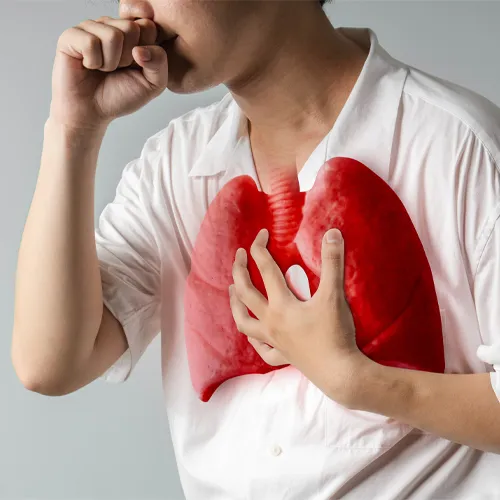
Lung Cancer – Causes, Symptoms, Treatment & Prevention
Lung cancer is one of the most common and deadly types of cancer worldwide. It develops when abnormal cells in the lungs grow uncontrollably, forming tumors that interfere with normal lung function. While smoking is the primary cause, lung cancer can also affect people who have never smoked, due to environmental factors, genetics, and other risks. Understanding lung cancer, its causes, symptoms, diagnosis, and prevention is key to early detection and improved survival rates.
Types of Lung Cancer
There are two main types:
- Non–Small Cell Lung Cancer (NSCLC) – This is the most common type, accounting for around 80–85% of cases. It usually grows and spreads more slowly compared to other types.
Subtypes include:- Adenocarcinoma
- Squamous cell carcinoma
- Large cell carcinoma
- Small Cell Lung Cancer (SCLC) – This accounts for about 15–20% of cases. It grows faster, spreads quickly, and is usually linked to smoking.
Causes and Risk Factors
Lung cancer doesn’t happen overnight — it develops due to prolonged exposure to harmful substances that damage lung cells. Some key causes include:
- Smoking – The biggest risk factor. Tobacco smoke contains over 7,000 chemicals, many of which are carcinogenic. Even passive smoking (second-hand smoke) increases risk.
- Radon Gas – A naturally occurring radioactive gas that can accumulate indoors and damage lung tissue.
- Asbestos Exposure – Common in certain construction and manufacturing jobs.
- Air Pollution – Prolonged exposure to polluted air, including vehicle exhaust and industrial emissions, increases cancer risk.
- Genetics – Family history of lung cancer can make some individuals more susceptible.
- Previous Lung Disease – Chronic bronchitis, COPD, and tuberculosis can slightly increase risk.
Symptoms of Lung Cancer
In its early stages, lung cancer may not cause noticeable symptoms. This is why it’s often diagnosed late. As it progresses, symptoms may include:
- Persistent cough (often worsening over time)
- Coughing up blood (even small amounts)
- Shortness of breath
- Chest pain that worsens with deep breathing, coughing, or laughing
- Hoarseness
- Unexplained weight loss
- Fatigue and weakness
- Recurrent lung infections (pneumonia or bronchitis)
If cancer spreads beyond the lungs, symptoms may appear in other parts of the body, such as headaches, bone pain, or jaundice.
How Lung Cancer is Diagnosed
Doctors use a combination of medical history, physical examinations, and diagnostic tests to confirm lung cancer:
- Imaging Tests – Chest X-rays, CT scans, or PET scans help locate abnormal masses.
- Sputum Cytology – Examining mucus from coughing under a microscope to detect cancer cells.
- Biopsy – Removing a small sample of tissue from the lung for lab analysis.
- Bronchoscopy – Using a thin tube with a camera to examine the airways.
Stages of Lung Cancer
Staging helps determine how far the cancer has spread and guides treatment:
- Stage I – Cancer is small and confined to the lung.
- Stage II – Cancer is larger and may have spread to nearby lymph nodes.
- Stage III – Cancer has spread to lymph nodes in the middle of the chest or nearby structures.
- Stage IV – Cancer has spread to both lungs, fluid around the lungs, or distant organs.
Treatment Options
Treatment depends on the type, stage, and overall health of the patient. Common options include:
- Surgery – Removing the cancerous portion of the lung (lobectomy) or an entire lung in severe cases.
- Radiation Therapy – High-energy rays target and kill cancer cells.
- Chemotherapy – Powerful drugs destroy cancer cells or stop them from growing.
- Targeted Therapy – Drugs designed to attack specific genetic mutations in cancer cells.
- Immunotherapy – Boosts the body’s immune system to fight cancer.
In many cases, treatments are combined for better results.
Prognosis and Survival Rates
Survival rates depend on the stage at diagnosis. Early detection greatly improves outcomes - Stage I lung cancer has a much higher survival rate compared to Stage IV. However, overall survival rates for lung cancer remain low compared to some other cancers, primarily because it’s often detected late.
Prevention Tips
While not all cases can be prevented, certain steps can reduce your risk:
- Quit Smoking – The most effective way to lower lung cancer risk.
- Avoid Second-hand Smoke – Stay away from smoking environments.
- Test Your Home for Radon – Especially in high-risk areas.
- Use Protective Gear – If you work in environments with asbestos or harmful dust.
- Maintain Good Air Quality Indoors – Use air purifiers and avoid indoor pollutants.
- Adopt a Healthy Lifestyle – Eat a diet rich in fruits, vegetables, and whole grains, and exercise regularly.
Lung Cancer in Non-Smokers
While smoking accounts for the majority of cases, 10–20% of lung cancers occur in people who have never smoked. Common causes include genetic factors, exposure to radon gas, environmental toxins, and prolonged air pollution exposure.
Living with Lung Cancer
A lung cancer diagnosis can be overwhelming, but with proper treatment, support, and lifestyle changes, many people manage symptoms and improve quality of life. Joining support groups, seeking counseling, and maintaining a balanced diet can help patients cope better emotionally and physically.
Key Takeaway
Lung cancer remains a serious health challenge globally, but awareness, early detection, and lifestyle changes can make a significant difference. If you experience persistent respiratory symptoms, especially if you are at high risk, don’t ignore them consult a doctor and get screened. Prevention through avoiding smoking, limiting toxin exposure, and improving air quality remains our strongest defense against this deadly disease. For expert care, advanced treatment options, and personalized guidance, Dr. Kannan Maharajan, leading Radiation Oncologist in Coimbatore, offers specialized cancer therapies with a patient-centered approach.